

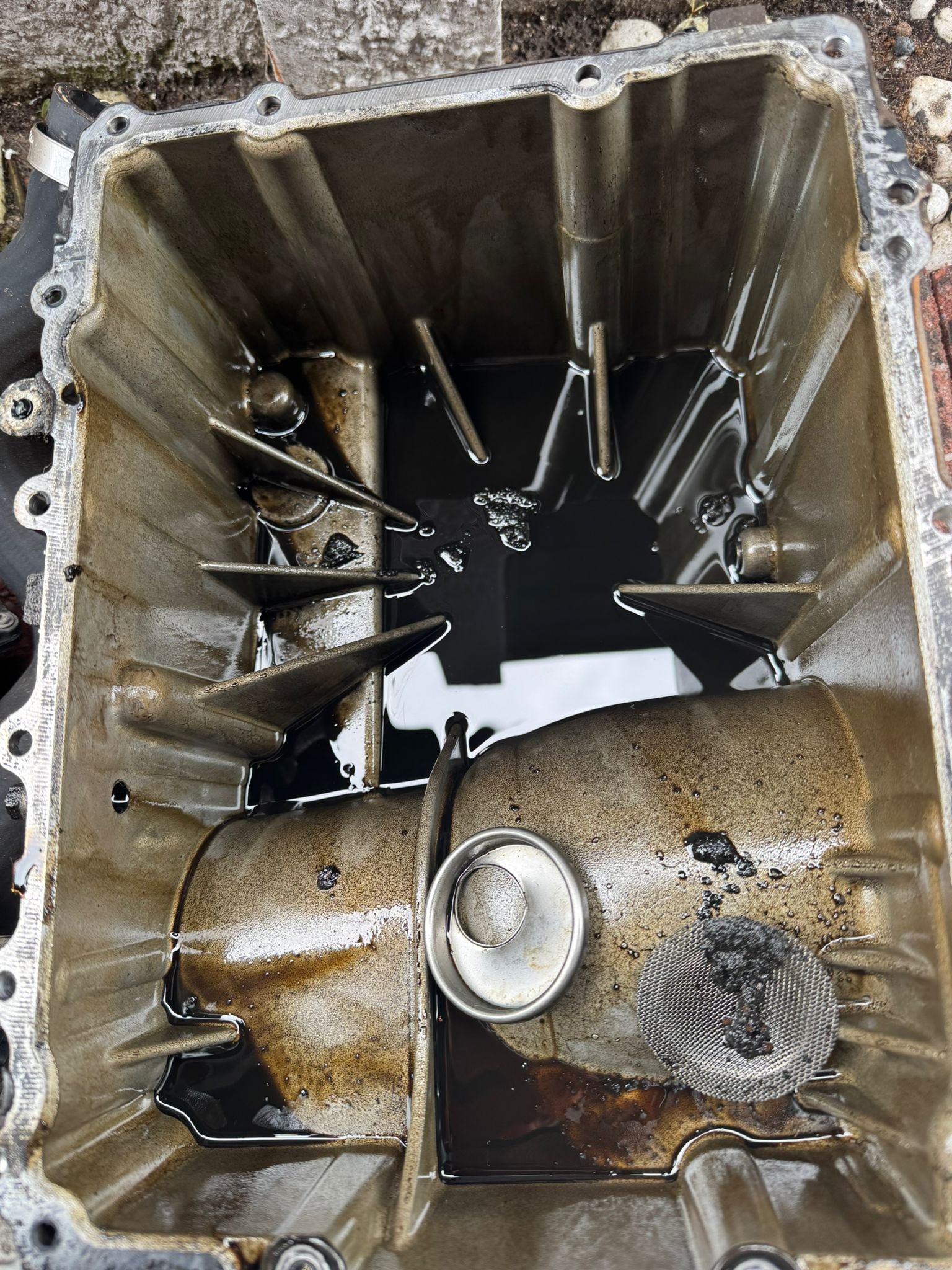
So, as we were just chatting about car tech, let’s zoom in on something a bit different from the usual timing belt setup: the wet belt. Okay, let’s make this explanation of “wet belts” a bit more tailored to our conversation. Imagine the standard timing belt, the unsung hero that keeps your engine’s top and bottom halves playing nicely together. Usually, it’s a robust, toothed rubber belt living outside the oily innards of the engine, often under a protective cover. Now, picture this: instead of that “dry” existence, a wet belt takes a plunge inside the engine. Yep, it’s designed to run fully immersed in the engine oil, right there with all the other lubricated components. The Job’s the Same: Just like its dry cousin, this belt makes sure the crankshaft (the bit doing the turning at the bottom) and the camshaft(s) (the bit that opens and closes the valves up top) are perfectly in sync. No synchronisation, no happy engine! The Big Twist: It’s swimming in oil! These belts are made of special stuff that can handle the constant oil bath.The engineers who came up with this idea were likely aiming for a few perks: Maybe a bit less friction because of the oil. Potentially a quieter engine. The idea is that being bathed in oil could make it last longer.However, as with many clever ideas, there are a few potential downsides we should consider: Living in oil and dealing with engine heat can actually make the belt material break down over time. As it wears, tiny bits of the belt can end up floating around in the oil, which isn’t ideal for the engine’s health. These bits could potentially clog things up. Getting to a wet belt to replace it is often more involved than swapping a regular timing belt.So, in short, a wet belt is a timing belt that’s designed to operate inside the engine’s oil system. It’s a different approach to engine timing with its own set of potential pros and cons. Contact us to replace your timing belt

The Consequences of a Broken Timing Belt: A Costly Lesson
Your car’s engine is a symphony of precision and timing, with every component working in harmony to keep you moving. One critical conductor in this orchestration is the timing belt. Often overlooked and underappreciated, a timing belt plays a crucial role in ensuring your engine’s components work together seamlessly. However, when this seemingly insignificant component fails, the consequences can be catastrophic, both for your vehicle and your wallet. In this article, we will explore the damage that can be caused if your timing belt breaks. The Timing Belt: A Vital Link The timing belt is a toothed, reinforced rubber belt that synchronizes the rotation of the engine’s crankshaft and camshaft. This synchronization ensures that the engine’s valves open and close at precisely the right time, allowing air and fuel to enter and exhaust gases to exit the combustion chambers. This precise timing is vital for the engine to run smoothly and efficiently. When a timing belt breaks, the synchronization between the crankshaft and camshaft is lost. This often leads to the engine’s valves and pistons colliding, causing significant damage. The valves, which are supposed to open and close harmoniously, can bend or break upon impact with the pistons. This damage can result in the need for extensive engine repairs or even a complete engine replacement, which can be incredibly costly. A broken timing belt can cause your vehicle to stall suddenly and unexpectedly. This can be not only frustrating but also potentially dangerous, especially if it happens in heavy traffic or on a busy highway. A stalled vehicle can lead to accidents, further adding to the potential costs associated with a broken timing belt. When your timing belt snaps, your car is rendered immobile. In such cases, you’ll likely need to call for a tow truck to transport your vehicle to a repair shop. Towing fees can be expensive, and they’re just the beginning of the financial burden you’ll face. Repairing or replacing the timing belt itself is a relatively minor expense compared to the potential engine damage and associated repairs. Apart from the financial costs, a broken timing belt can lead to significant inconveniences. You might find yourself without a vehicle for an extended period, which can disrupt your daily routine and commitments. The time and effort required to deal with a broken timing belt can be a considerable hassle. Preventing Timing Belt Failures The best way to avoid the damage and costs associated with a broken timing belt is through regular maintenance and proactive replacement. Most manufacturers provide recommended replacement intervals for timing belts, typically ranging from 60,000 to 100,000 miles, but these can vary. Consult your vehicle’s manual or a qualified mechanic to determine the specific interval for your car. Replacing a timing belt before it fails is a small expense compared to the potential damage it can cause. It’s a preventive measure that can save you from the inconvenience, stress, and financial burden of a breakdown. Conclusion In the intricate and delicate symphony that is your car’s engine, the timing belt is a critical conductor. Its role in synchronizing the engine’s components cannot be understated. When a timing belt breaks, the consequences can be severe, including engine damage, vehicle stalling, towing costs, and significant inconvenience. To avoid these problems and the associated financial burdens, regular maintenance and timely replacement of the timing belt are essential. Remember, investing in preventive maintenance today can save you from a costly breakdown tomorrow. Image by jpj2000nl from Pixabay

The Importance of Changing Your Car’s Timing Belt
Your car’s engine is a marvel of engineering, a symphony of moving parts working in perfect harmony to propel you down the road. At the heart of this intricate machinery lies the timing belt, a component that often goes unnoticed until it fails. In this article, we’ll explore why you should change your car’s timing belt and the consequences of neglecting this critical maintenance task. What is a Timing Belt? Before delving into the reasons for changing a timing belt, it’s important to understand what it does. The timing belt is a crucial part of your car’s engine that synchronizes the rotation of the crankshaft and the camshaft. This synchronization is essential for precise opening and closing of engine valves, ensuring optimal combustion and power generation. Why You Should Change Your Timing Belt One of the primary reasons to change your timing belt is to prevent potential engine damage. Timing belt failure can result in the misalignment of the crankshaft and camshaft, causing the valves to collide with the pistons. This collision can lead to bent valves, damaged pistons, and even catastrophic engine failure. Replacing the timing belt at recommended intervals is a small investment that can save you from costly engine repairs. A worn or stretched timing belt can cause a loss of synchronization between the crankshaft and camshaft. This leads to poor engine performance, reduced fuel efficiency, and increased emissions. Replacing the timing belt at the manufacturer’s recommended mileage or time interval helps keep your engine running smoothly and efficiently. Timing belt failure often occurs unexpectedly and can leave you stranded on the side of the road. Not only is this inconvenient, but it can also be dangerous, especially if it happens in heavy traffic or adverse weather conditions. Regular timing belt replacement reduces the risk of unexpected breakdowns and ensures your vehicle remains reliable. While replacing a timing belt is not free, it’s a relatively small expense compared to the potential repair costs associated with engine damage. Ignoring the timing belt replacement can lead to a much larger bill down the road. It’s a cost-effective way to extend the lifespan of your vehicle and maintain its resale value. Car manufacturers provide guidelines for timing belt replacement intervals based on mileage and time. These recommendations are not arbitrary; they are based on extensive testing and engineering expertise. Following these guidelines is crucial for the longevity and reliability of your vehicle. Knowing that your timing belt is in good condition provides peace of mind while driving. You can enjoy your journeys without the constant worry of an unexpected breakdown. Conclusion In the world of automotive maintenance, the timing belt is a small but critical component that deserves your attention. Replacing it at the manufacturer’s recommended intervals is a proactive measure to protect your engine, maintain efficiency, and ensure your vehicle’s reliability. Don’t wait for the warning signs of a failing timing belt; take action to change it when it’s due. This simple and cost-effective maintenance task can save you from costly repairs, keep you on the road, and provide peace of mind as you explore the open road. Image by olarts from Pixabay

Owning a car comes with many responsibilities, one of which is regular maintenance and servicing.
Owning a car comes with many responsibilities, one of which is regular maintenance and servicing. Despite the many demands of everyday life, car servicing should never be neglected or overlooked. In this article, we’ll take a closer look at why you should have your car serviced regularly and the benefits that come with it. First and foremost, regular car servicing is essential for ensuring the safety of both the driver and passengers. A car that is not maintained properly can lead to breakdowns and accidents, putting the lives of everyone on the road at risk. During a car service, a qualified technician will check the brakes, tires, suspension, and other critical components to make sure they are functioning correctly. Any issues that are detected can be addressed, reducing the likelihood of an accident occurring. Another significant advantage of car servicing is that it can prolong the lifespan of your vehicle. Routine maintenance can identify and address any problems early on, preventing them from turning into more significant issues that require costly repairs. Regular servicing can also keep your car running smoothly, ensuring optimal performance and efficiency. This, in turn, can save you money in fuel costs and prevent unnecessary wear and tear on your vehicle. Regular car servicing can also help you maintain your vehicle’s resale value. When it comes time to sell your car, having a comprehensive service history can significantly increase its value. Prospective buyers are often willing to pay more for a vehicle that has been well-maintained and cared for. Additionally, a comprehensive service history can give buyers confidence that they are purchasing a reliable vehicle that has been properly looked after. Finally, regular car servicing can provide peace of mind for car owners. Knowing that your vehicle has been thoroughly checked and maintained can give you confidence when driving, reducing stress and anxiety on the road. Additionally, regular servicing can identify potential problems early on, preventing unexpected breakdowns and reducing the likelihood of being stranded on the side of the road. In conclusion, car servicing is an essential aspect of car ownership that should never be overlooked. Regular maintenance can help ensure the safety of everyone on the road, prolong the lifespan of your vehicle, maintain its resale value, and provide peace of mind for car owners. If you haven’t had your car serviced recently, now is the time to schedule an appointment with a qualified technician. Your car will thank you, and so will your wallet. Image by Mikes-Photography from Pixabay

Regular car servicing is an important aspect of car maintenance.
Regular car servicing is an important aspect of car maintenance that is often overlooked by many vehicle owners. There are a number of reasons why you should service your car regularly, including: In conclusion, regular car servicing is essential to maintaining the safety, reliability, and value of your vehicle. It is important to follow the manufacturer’s recommended maintenance schedule and have your car serviced by a qualified mechanic. By doing so, you can save money, improve fuel efficiency, and increase the lifespan of your car while ensuring that it is always running at its best. Image by Markus Thomas from Pixabay